
Sweepstakes Casino Game Providers: Software Behind the Games
 Available in US
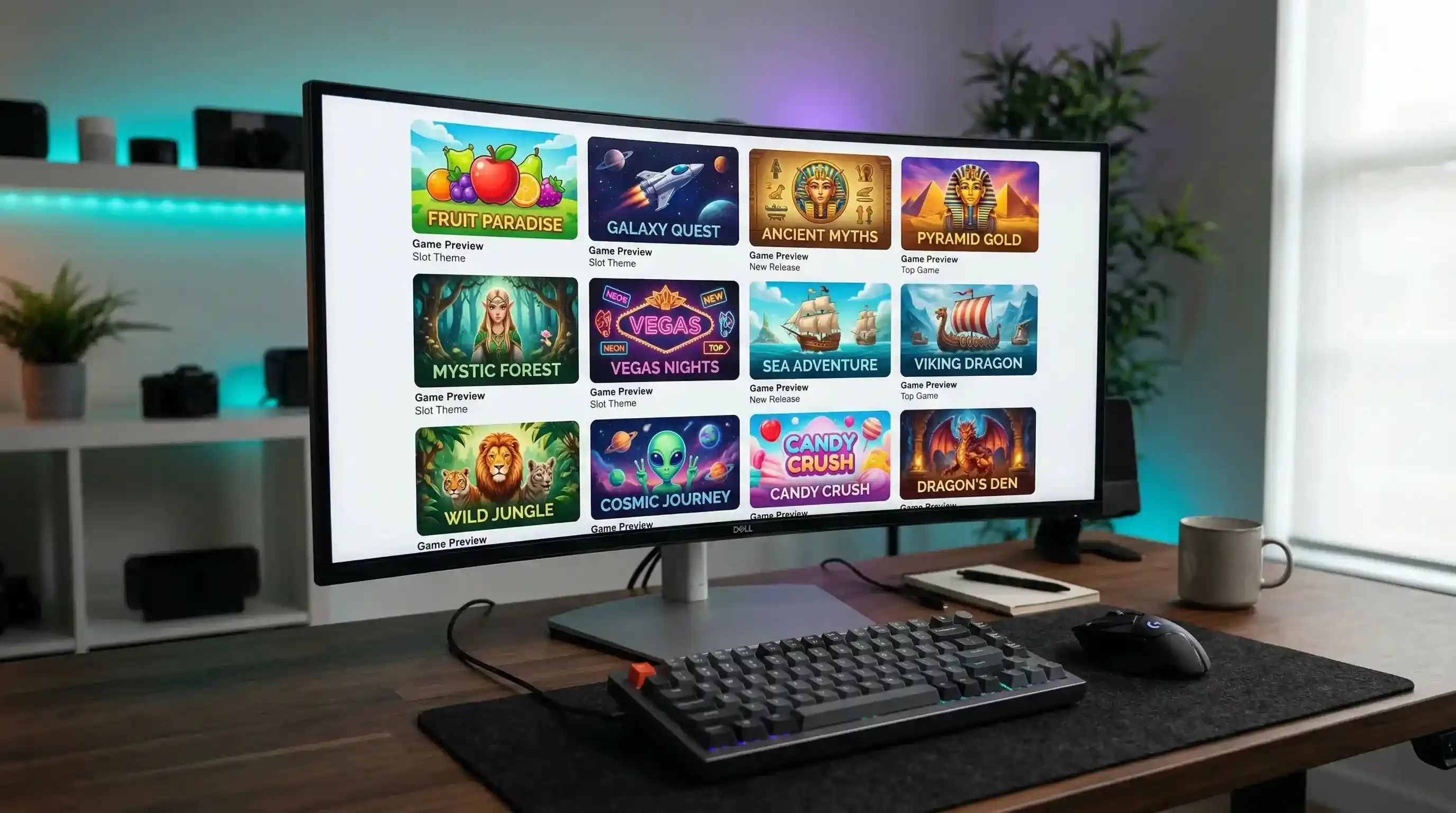
Behind every slot spin and card deal at a sweepstakes casino sits software from companies most players never think about. These game providers determine everything from visual polish to mathematical fairness—and the difference between a reputable studio and a sketchy operation shapes your entire playing experience.
The social casino sector alone generated $7.1 billion in gross revenue during 2024, with sweepstakes platforms adding another $10.6 billion according to KPMG analysis. That combined market has attracted serious software developers who previously focused exclusively on regulated gambling jurisdictions. The result: sweepstakes players now access games from some of the same studios powering Las Vegas casino floors and licensed European operators. Quality games from trusted names have become a competitive advantage platforms actively promote.
Major Providers in the Sweepstakes Space
Pragmatic Play has emerged as a dominant force in sweepstakes gaming. Known for high-volatility slots with substantial win potential, their titles appear across most major platforms. Games like Gates of Olympus and Sweet Bonanza have developed cult followings among players who appreciate aggressive bonus mechanics and polished production values. Pragmatic releases new titles weekly, keeping libraries fresh for regular players.
NetEnt brings decades of industry credibility to sweepstakes casinos. Their classic titles—Starburst, Gonzo’s Quest, Dead or Alive—helped define modern online slots. NetEnt games typically feature lower volatility than Pragmatic offerings, appealing to players who prefer steadier gameplay over boom-or-bust sessions. The studio’s reputation for fairness and consistent RTP percentages reassures players concerned about game integrity.
BGaming has carved out significant sweepstakes market share by building games specifically optimized for social casino mechanics. Their provably fair technology allows players to verify individual spin outcomes, addressing trust concerns that plague unregulated gaming. BGaming’s willingness to work directly with sweepstakes operators—rather than treating them as secondary markets—has made them a preferred partner.
Relax Gaming supplies both original content and aggregated titles from smaller studios through their distribution platform. This model gives sweepstakes casinos access to diverse game libraries through single integrations. Money Train and Temple Tumble showcase Relax’s in-house capabilities, while their network delivers hundreds of additional titles from partner developers.
Push Gaming, Hacksaw Gaming, and NoLimit City round out the premium tier with distinctive styles. Push emphasizes innovative mechanics over pure volatility. Hacksaw delivers intense, max-win-focused experiences. NoLimit City has built a following around dark themes and extreme variance that some players love and others avoid entirely. Each studio’s personality translates into recognizable game feel.
Sweepstakes Casino Game Providers — More on this topic at free sweepstakes casino.
Quality Indicators to Watch For
Production value signals investment. Quality providers spend on graphics, animation, sound design, and user interface polish. Choppy animations, recycled assets, and amateur sound effects suggest corners were cut—and if a studio skimps on visible elements, what shortcuts did they take on the math you can’t see?
Mobile optimization separates serious developers from legacy operations. Modern providers build mobile-first, ensuring touch interfaces work smoothly and games scale properly across screen sizes. Studios still treating mobile as an afterthought produce frustrating experiences on phones and tablets where most sweepstakes play happens.
Feature innovation indicates ongoing development commitment. Top providers constantly experiment with new bonus mechanics, multiplier systems, and engagement features. Stagnant libraries full of dated games suggest a provider focused on milking existing content rather than earning continued player attention.
Published RTP percentages demonstrate transparency. Reputable providers display return-to-player rates for each game, typically ranging from 94% to 97% for slots. Studios hiding these figures raise legitimate questions about what else they’re not disclosing. The specific RTP matters less than the willingness to share it.
Licensing history provides background context. Providers operating in strictly regulated markets—UK Gambling Commission, Malta Gaming Authority, Gibraltar—have passed rigorous technical and financial audits. That compliance track record doesn’t automatically transfer to sweepstakes games, but it indicates organizational capability and intent.
See also Sweepstakes Casino Account Problems.
Exclusive and Proprietary Games
Some sweepstakes casinos develop games in-house rather than licensing from third parties. These proprietary titles create differentiation—you can only play them at that specific platform. The quality ranges dramatically. Large operators invest in capable development teams producing competitive original content. Smaller platforms sometimes fill libraries with generic, poorly designed proprietary games that exist only because they’re cheaper than licensing fees.
Exclusive licensing arrangements occupy middle ground. A platform might secure rights to offer certain third-party games that competitors can’t access. These deals typically involve popular titles from established providers, giving players genuine reason to choose one casino over another beyond bonus offers.
Branded games—slots featuring licensed entertainment properties—rarely appear at sweepstakes casinos. The licensing costs and legal complexity of attaching gambling mechanics to entertainment brands create barriers most sweepstakes operators avoid. If you’re looking for Marvel slots or music-themed games from major artists, regulated gambling sites remain the primary option.
Original games from reputable sweepstakes platforms often emphasize social features unavailable in standard provider titles. Leaderboard competitions, community jackpots, and integrated chat systems benefit from custom development that third-party games can’t easily accommodate. These features align with the sweepstakes model’s promotional gaming positioning.
Certification and Auditing Standards
Gaming Laboratories International (GLI) sets the technical benchmark for game fairness testing. Their GLI-19 standard covers interactive gaming systems, including random number generator certification, game mathematics verification, and security assessments. Providers whose games carry GLI certification have submitted to independent technical audits confirming their software behaves as advertised.
BMM Testlabs and eCOGRA provide alternative certification paths with similar rigor. These testing houses examine source code, run millions of simulated plays to verify statistical outcomes, and assess security against manipulation. A game certified by any major testing laboratory has undergone scrutiny most proprietary sweepstakes games never face.
Tres York of the American Gaming Association notes that unregulated operators “present themselves like legal, regulated platforms—but they operate outside the law and regulation.” This observation applies directly to game certification: platforms can claim fairness without independent verification, and players have no way to confirm those claims. Seeking providers with documented third-party audits provides concrete assurance beyond marketing promises.
Certification scope matters as much as certification existence. A provider might hold GLI certification for games deployed in regulated markets while offering different, unaudited versions at sweepstakes casinos. The same game title doesn’t guarantee identical mathematics. Platforms explicitly confirming their games use certified builds—rather than modified sweepstakes variants—provide the strongest fairness assurances.
Choosing Platforms by Game Selection
Game library size tells you less than game library composition. A platform boasting 500 games means nothing if 400 are low-quality filler from unknown studios. Twenty exceptional games from premium providers deliver better experience than hundreds of forgettable titles.
Check provider diversity before committing play time. Platforms offering games from multiple reputable studios give you options across volatility preferences, themes, and mechanics. Single-provider platforms limit your choices and leave you dependent on one studio’s design philosophy.
New game release frequency indicates platform investment. Active operators regularly add fresh titles from their provider partners. Stale libraries that haven’t updated in months suggest declining operator commitment or deteriorating provider relationships—neither bodes well for long-term player experience.
Demo play availability lets you evaluate game quality before risking Sweeps Coins. Most platforms offer Gold Coin play on their full libraries, effectively functioning as unlimited demo mode. Use this to assess graphics, sound, interface responsiveness, and feature mechanics before deciding where to focus your redeemable currency.
Ultimately, provider reputation serves as proxy for game quality when you can’t evaluate every title individually. Platforms prominently featuring Pragmatic Play, NetEnt, BGaming, and similar established names signal commitment to quality entertainment. Those hiding provider information or filling libraries with unrecognizable studios warrant skepticism. The software behind the games shapes every session—choosing platforms that choose good providers stacks the experience in your favor.
Created by the "Free Sweepstakes Casino" editorial team.