
KYC Verification at Sweepstakes Casinos: Documents & Process
 Available in US
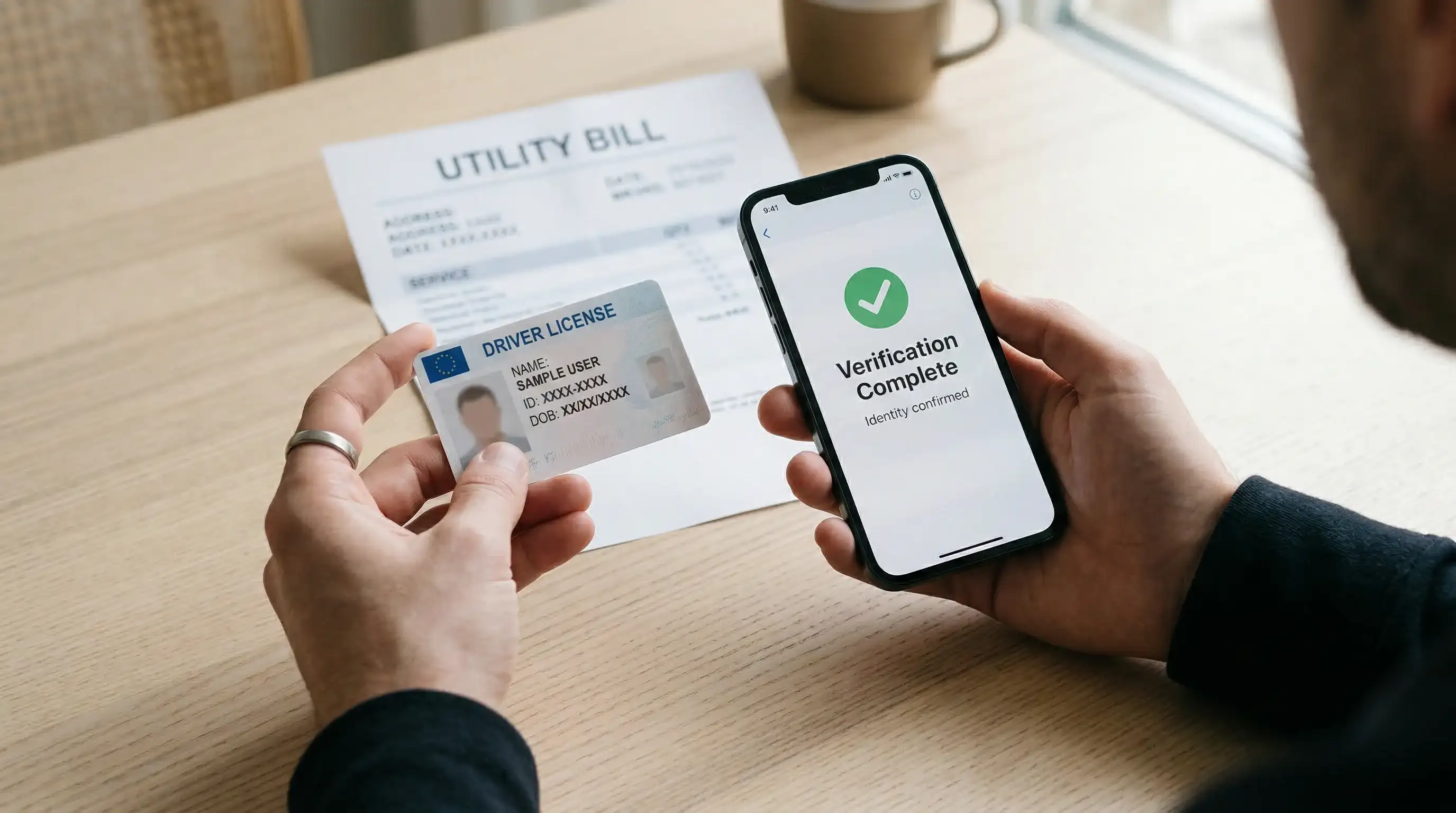
Verify once, redeem easily. Every sweepstakes casino requires identity verification before processing your first cash redemption. The KYC process—Know Your Customer in financial industry parlance—confirms you are who you claim to be, that you’re legally eligible to participate, and that the platform can fulfill tax reporting obligations when your winnings reach reportable thresholds. Understanding what’s required before you start playing prevents frustrating delays when you’re ready to cash out.
The verification process feels intrusive to players accustomed to anonymous online experiences, but it serves legitimate purposes beyond regulatory compliance. Sweepstakes casinos operate in a legal gray zone that demands meticulous documentation. Platforms that skip verification invite fraud, money laundering accusations, and regulatory enforcement that could shut them down entirely. Your brief inconvenience supports the infrastructure that enables real cash redemptions.
Why KYC Exists
Identity verification serves multiple stakeholders with overlapping but distinct interests. Regulators want assurance that sweepstakes casinos aren’t facilitating illegal gambling by minors or serving as money laundering conduits. Platforms want protection against fraud—fake accounts claiming bonuses, chargebacks from stolen payment methods, and identity theft schemes. Players benefit from reduced fraud that would otherwise drive platforms out of business or force them to reduce payout rates.
Tax compliance creates perhaps the most inflexible verification requirement. Under IRS regulations, gambling and sweepstakes winnings above certain thresholds trigger mandatory reporting. Specifically, sweepstakes prizes exceeding $600 require the platform to file Form 1099-MISC with your Social Security number and legal name. Winnings above $5,000 mandate 24% federal tax withholding at source. Without verified identity information, platforms cannot fulfill these obligations—making redemption impossible regardless of how much you’ve won.
Age verification prevents the legal catastrophe of processing redemptions to minors. Every state permitting sweepstakes casinos restricts participation to adults, typically 18 or 21 depending on jurisdiction. A single verified underage redemption could trigger investigations, fines, and operational restrictions. Platforms verify age documentation rigorously because the consequences of failure extend far beyond individual accounts.
Geographic verification ensures players actually reside in states where sweepstakes casinos operate legally. IP addresses can be masked; mailing addresses can be fabricated. Document verification confirms residence in eligible jurisdictions, protecting platforms from inadvertently serving players in banned states like Washington, Idaho, or New York where operating could expose them to enforcement actions.
KYC Verification at Sweepstakes Casinos — More on this topic at free sweepstakes casino.
Required Documents
Government-issued photo identification forms the foundation of KYC verification. Acceptable documents typically include driver’s licenses, state-issued ID cards, and passports. The document must be current—expired IDs face rejection at most platforms. The name on your ID must match your account registration exactly, including middle names or suffixes if you included them during signup.
Proof of address supplements identity verification by confirming your physical residence. Utility bills, bank statements, and official government correspondence typically qualify. The document must display your full name and address, with dates within the past 30 to 90 days depending on platform requirements. Cell phone bills and online statements may or may not qualify—check specific platform policies.
Social Security number verification enables tax reporting compliance. Most platforms collect this information through secure digital forms rather than document uploads. Some request SSN cards as additional verification, though this practice varies. Your SSN links your winnings to your tax identity, enabling the 1099-MISC filing that the IRS requires for prizes exceeding $600.
Payment method verification confirms that deposit sources belong to you. If you purchased Gold Coins with a credit card, expect requests to verify ownership of that card. This might involve uploading a photo showing the last four digits and your name, or providing a bank statement showing the transaction. Cryptocurrency deposits may require exchange account verification or wallet ownership proof.
Submission Process
Most platforms integrate verification directly into their account settings or redemption workflows. Navigate to account verification, identity verification, or similar menu options to find upload interfaces. Some platforms prompt verification automatically when you attempt your first redemption; others encourage completing verification proactively before you’re ready to cash out.
Document uploads require clear, complete images. Photograph or scan your documents against contrasting backgrounds. Ensure all four corners are visible without cropping. Text must be legible—blurry or overexposed images face rejection. File size limits typically range from 2MB to 10MB; compress oversized images before uploading.
Some platforms employ live verification through video calls or automated selfie comparison. You may be asked to hold your ID next to your face while recording video, or to take a selfie that software compares against your ID photo. These measures combat document fraud more effectively than static image uploads alone.
Processing times vary dramatically between platforms. Some complete verification within hours using automated document recognition. Others require manual review by compliance staff, extending timelines to several business days. During high-volume periods—after major promotions or holidays—processing may stretch longer. Submit verification documents before you urgently need to redeem rather than when you’re already waiting for funds.
See also States Where Sweepstakes Casinos Are Banned.
Common Issues
Name mismatches cause frequent rejection. If your ID shows “Robert” but you registered as “Bob,” verification may fail. Legal name changes from marriage or court orders require updated documentation. Some platforms allow name corrections before verification; others require new account registration. Match your registration information to your legal documents precisely from the start to avoid complications later.
Document quality problems trigger many rejections. Glare obscuring text or photos, cropped corners suggesting manipulation, low resolution preventing legibility—all cause verification staff to request new uploads. Take multiple photos and select the clearest one. Natural lighting generally works better than flash photography for ID images. Avoid photographing documents on reflective surfaces or near windows that create problematic shadows.
Address verification fails when your proof of address doesn’t match your registered information or falls outside acceptable date ranges. If you recently moved, your ID may show your old address while utilities show your new one. Some platforms accept either address if you can document both; others require all documents to show matching current addresses. Bank statements work well because they update monthly with current addresses.
Expired documents face automatic rejection regardless of image quality. Check expiration dates before uploading. If your ID expires soon, consider renewing it before initiating verification—replacing documents mid-process creates delays and confusion. Passport renewals take weeks; plan accordingly if that’s your primary identification. Temporary paper licenses issued during renewal periods may or may not satisfy verification requirements depending on platform policies.
Approval Tips
Complete verification immediately after registration rather than waiting until redemption. Early verification means any issues surface when you have time to resolve them, not when you’re anxious to receive winnings. Platforms also appreciate proactive verification as a signal of legitimate long-term participation.
Read platform-specific requirements before uploading anything. Document specifications, acceptable file formats, and date ranges for proof of address vary between platforms. Following instructions precisely the first time beats repeated rejection-and-resubmission cycles.
Keep digital copies of verification documents accessible. You may need them for multiple platforms or for re-verification if platforms update their compliance requirements. Secure cloud storage or encrypted local folders protect sensitive documents while maintaining convenient access.
Contact support promptly if verification stalls beyond stated timelines. Polite inquiries often accelerate stuck applications, especially if the delay results from technical issues rather than document problems. Most platforms prefer resolving verification questions to losing potentially valuable players. Verify once, redeem easily—the initial effort pays dividends across every future transaction.
Created by the "Free Sweepstakes Casino" editorial team.